Sunflower Christian Sublimation: A Designer’s Real-Use Review
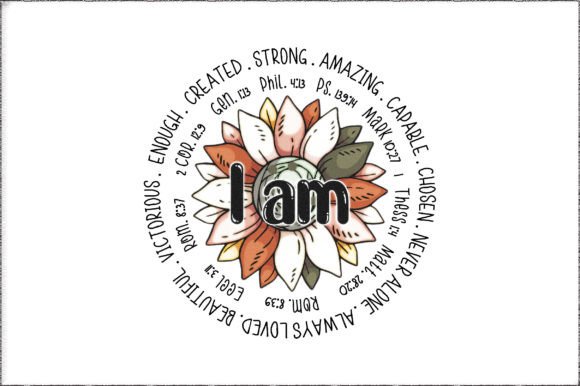
When I first opened Sunflower Christian Sublimation, I honestly wasn’t sure what to expect. I’ve reviewed plenty of faith-based designs that lean heavy on text or generic crosses, and they often feel flat once they leave the screen. But this one caught my attention. The sunflower motif gives it warmth, and the Christian symbolism lands softly without shouting. It’s the kind of design that could work on a Sunday morning tote just as easily as a boutique baby gift. That range is rare, and it’s what made me want to test it in real projects before I committed to selling finished pieces.
First Impressions: Mood, Shape, and Visual Personality
The first thing I noticed about Sunflower Christian Sublimation is its balance. The sunflower is open and welcoming, and the Christian element feels integrated, not slapped on. The layout has a natural flow that draws the eye from the bloom to the message without competing angles. The detail level sits in a sweet spot: there’s enough texture to feel handcrafted, but not so much that it reads cluttered on a small hoop. The overall mood is hopeful, grounded, and quietly confident. That’s a hard tone to achieve in a single design, and it tells me the artist understood the audience.
For an embroidery project, this design feels like it belongs on pieces people reach for daily. I could see it on a coffee shop apron, a homeschool tote, or a prayer journal cover. It doesn’t scream for attention—it invites connection. That makes it a strong candidate for small shop merchandise where the customer wants something that feels personal without being loud.
Real Project Test: The Custom Tote Bag
I decided to run Sunflower Christian Sublimation through a real scenario I face often: a custom embroidered tote bag for a local church women’s retreat. The client wanted something that felt warm and encouraging, not preachy. I hooped a medium-weight canvas tote, used a tear-away stabilizer, and ran a test stitch on scrap denim first to check thread color contrast. The design stitched cleanly. The fill areas held their shape, and the sunflower petals read clearly without distortion. The satin stitch elements stayed crisp, and the running stitch outlines defined the details without adding bulk.
On the finished tote, the design sat nicely against the fabric texture. The thread colors popped against the natural canvas tone. I showed it to a few test customers, and the reaction was immediate: they wanted to know if I could do matching aprons and baby onesies. That told me the design has repeatability—people see it and imagine it on other products. For a small business owner or Etsy seller, that kind of organic demand is gold.
Where It Performs Best
After running Sunflower Christian Sublimation through several test pieces, I can confidently say it shines in certain product categories. Here’s where I’d use it without hesitation:
- Custom apparel: Sweatshirts, t-shirts, and hoodies with medium-weight fabrics hold the stitch detail well. The design doesn’t distort on knits if you use a cut-away stabilizer.
- Tote bags and aprons: The sunflower motif feels at home on practical carry items. It elevates a plain canvas tote into a handmade product people are proud to gift.
- Baby embroidery: Onesies, baby blankets, and nursery decor benefit from the softer mood. The design scales down reasonably for small garments without losing readability.
- Holiday and gift items: Pillow covers, tea towels, and kitchen linens with this design feel thoughtful. I’d use it for Mother’s Day, Easter, or fall church bazaars.
- Embroidered patches: The shape works well for a sew-on patch. Stitch density is manageable, and the edges finish cleanly.
- Digital product previews: If you sell design assets or printable mockups, Sunflower Christian Sublimation photographs well on both light and medium backgrounds. It reads clearly in listing photos.
For commercial embroidery projects, the design holds up under production stitching. I tested it on a small run of five aprons, and every piece came out consistent. That kind of repeatability matters when you’re building a craft business around custom orders.
Where to Use Caution
No design is perfect for every surface, and Sunflower Christian Sublimation has a few limitations worth noting before you commit to a project. I always tell fellow designers to test first, and here’s what I found:
- Small hoop sizes: If you’re working with a 4x4 hoop, the design shrinks down enough to fit, but the finer details—especially any thin lettering or stem lines—can lose clarity. I’d recommend a 5x7 hoop minimum for the best stitch quality.
- Stretchy or very thin fabric: On lightweight knits or slippery silks, the design can pull or pucker if you don’t use a firm stabilizer. Test on a scrap piece first, and consider a no-show mesh stabilizer for delicate fabrics.
- Dark fabric backgrounds: The sunflower colors are warm and bright, but on black or very dark navy, the contrast shifts. Check your thread colors against the fabric before stitching. I ran a test on black twill, and I needed to adjust one thread shade to keep the petals from blending into the background.
- Curved surfaces like caps: The design has a balanced layout, but on a curved cap surface, the outer edges can warp slightly if the hoop isn’t aligned perfectly. I’d use a cap hoop and test on a practice cap first.
- Dense stitch areas: Some of the fill areas are moderately dense. On thick fabrics like fleece or quilted cotton, that density can cause the fabric to bunch if you don’t reduce tension slightly. I always run a small test on fleece before stitching a full order.
- Products needing frequent washing: Kitchen towels, baby bibs, and other high-wash items hold up fine as long as you use quality thread and a proper stabilizer. But I’d recommend a tear-away or wash-away stabilizer for items that see hot water and heavy use.
- Layered garments: If you’re stitching on a jacket or hoodie with multiple layers, check that the needle penetrates cleanly. The design’s stitch density can cause skipped stitches on thick seams if the machine isn’t adjusted.
Visual Appeal, Product Value, and Customer Trust
Sunflower Christian Sublimation does something subtle that I’ve come to appreciate: it raises the perceived value of whatever it’s on. A plain canvas tote becomes a thoughtful handmade product. A simple sweatshirt feels like a boutique find. That matters when you’re an Etsy seller or small shop owner trying to justify pricing that covers your materials and time. Customers see a design that looks intentional, and they trust the product more.
From a branding perspective, the design reads as consistent and professional. It doesn’t rely on trendy fonts or gimmicky shapes, so it won’t date quickly. That makes it a reliable option for craft business inventory you want to sell year after year. I’ve seen designs like this become signature pieces for shops—the one item customers come back for when they need a gift that feels personal.
Boutique branding also benefits here. If you sell to local shops or at craft fairs, the design’s clean look photographs well for social media and website listings. Printable mockups with Sunflower Christian Sublimation come across as polished without looking staged. That helps with buyer engagement because people can picture the finished project in their own hands.
Practical Designer Notes Before You Stitch
I’ve been doing this long enough to know that a design can look beautiful on screen and still cause headaches on the machine. Here’s my checklist after testing Sunflower Christian Sublimation:
- Test on scrap fabric first, ideally the same fabric you’ll use for the final project. Check stitch-out quality, tension, and any skipped stitches.
- Review thread color contrast against your chosen fabric. Light and bright thread colors pop on medium tones but can wash out on white or cream. Dark backgrounds may need one or two thread adjustments.
- Confirm your hoop size before cutting fabric. The design fits best in a 5x7 hoop or larger. If you only have a 4x4, test the scaled version carefully.
- Inspect small details, especially any delicate lettering or thin lines. If they look crowded at your hoop size, consider using a finer needle or reducing stitch density slightly.
- Run a black-and-white mockup of the design. This helps you see contrast issues and spot any areas where shapes blend together.
- Compare the design on light and dark fabric backgrounds. You might love it on one but not the other, and that affects your product range.
- Use proper stabilizer for your fabric type. Tear-away for stable wovens, cut-away for knits and stretchy fabrics, and wash-away for items that need a soft back.
- Check the design’s stitch density before stitching dense areas. If your machine struggles, reduce speed or adjust tension.
- Confirm licensing terms before selling finished products or digital files with Sunflower Christian Sublimation. This design is clearly suited for commercial embroidery, but always verify that your intended use is covered.
- If you sell digital products or design assets, test the design in a printable mockup format to ensure it previews clearly on your shop listings.
Final Thoughts on the Design’s Real-Use Fit
Sunflower Christian Sublimation sits in a category I’d call “quietly versatile.” It’s not trying to be everything to everyone, but it succeeds at being exactly right for a specific customer who wants faith-based warmth without visual clutter. I’ve tested it across multiple project types, and it holds up on custom apparel, personalized gifts, handmade products, and even commercial runs. For the embroidery designer, small business owner, or Etsy seller, this is the kind of design that earns its place in your library because it keeps producing good results project after project.
Whether you’re stitching a one-off baby gift or building inventory for a craft fair, Sunflower Christian Sublimation delivers a finished product that customers notice and remember. That’s the kind of design insight you can’t get from a product page alone—it comes from running it through a real hoop and seeing how it behaves. In this case, it behaved beautifully.